

New Social Return on Investment report finds Lifeline creates $14.73 million in social value each year, and could create millions more with sustainable funding
Lifeline Aotearoa generates an estimated $7.50 in social value for every $1 invested, as detailed in a new Social Return on Investment (SROI) report released today to mark World Mental Health Day (October 10).
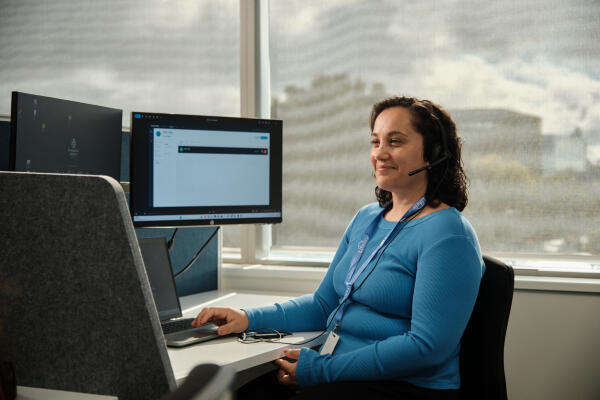
However, despite the social return, call demand already exceeds what Lifeline can respond to, and funding constraints are limiting availability.
The report, produced by Presbyterian Support Northern (PSN), which operates Lifeline and has been submitted for independent assurance through Social Value International, estimates the service creates $14.73 million in social value every year across 49,399 answered calls and text conversations.
That value reaches callers, their whānau and the wider system through better wellbeing, greater safety in moments of crisis, and reduced pressure on emergency departments, ambulance, Police and acute mental health services.
Lifeline operates New Zealand's only dedicated national Suicide Crisis Helpline, Tautoko, alongside its 0800 LIFELINE helpline and free text service. It has done so without direct government funding for either helpline for the past 10 years before receiving an appreciated interim one-off contribution from Health New Zealand in July this year. Lifeline continues to rely on community donations, philanthropy and PSN's own investment to be able to answer the phones.
“This report puts a number on what our counsellors see every day. Notwithstanding that behind every statistic is a person navigating one of the most difficult moments of their life,” says Grenville Hendricks, General Manager Social Services at Presbyterian Support Northern.
“Lifeline changes what happens next for people in some of the hardest moments of their lives, and it takes pressure off the whole health and emergency system. To deliver $7.50 of value for every dollar, with almost no government funding, is a testament to the generosity of New Zealanders and the skill of our counsellors and volunteers, but they can’t continue to carry this on their own.”
The headline figure is based on deliberately conservative assumptions. Under an alternative evidence-informed scenario, the return rises to $12.10 for every $1 invested.
Demand far outstrips capacity
Lifeline receives more than 100,000 calls a year (FY 2024/25), well beyond what it can currently answer. Funding constraints have also forced the service to reduce its overnight hours, and it now operates from 7.00am to midnight.
The report models what greater capacity would achieve. If Lifeline could support 20 percent more interactions, it would reach around 59,279 people a year and lift its annual social value to approximately $17.68 million, an additional $2.95 million in value every year.
“Demand currently exceeds Lifeline’s capacity. When we can’t answer a call, we miss an opportunity to provide support at the time someone has reached out. Sustainable funding would allow us to respond to more people and make support available across more hours of the day and night,” Grenville Hendricks says.
Independent review and Te Hiringa Mahara point the same way
The SROI report follows the recent release of the Independent Review of Mental Health and Addiction Telehealth Services, commissioned by the Minister for Mental Health. The review found Lifeline “does not receive direct government funding for its Lifeline or Tautoko helplines” and “operates entirely outside the commissioning system despite being a widely used crisis service.” It noted that funding for Lifeline’s Suicide Crisis Helpline, Tautoko “depends on philanthropy”, and that PSN has invested approximately $25 to $28 million in Lifeline over the past nine to 10 years.
The review recommended establishing a clearly designated 24/7 national suicide prevention crisis line function for people experiencing suicidal distress.
The Mental Health and Wellbeing Commission, Te Hiringa Mahara, has likewise called for “a nationally consistent crisis response system that is available everywhere in the country, 24 hours a day, seven days a week.”
“The direction is clear,” says Grenville Hendricks. “The independent review and Te Hiringa Mahara are both calling for crisis support that is there for everyone, wherever they live and whatever the hour. Tautoko is already New Zealand's only dedicated national suicide crisis line. The expertise, the infrastructure and the public's trust are in place. What's missing is sustainable funding, and we want to work with the Government to close that gap.”
Beyond the numbers
The report is clear that a financial ratio cannot capture the full value of the service.
“These aren’t just numbers – they represent people facing incredibly difficult circumstances in their lives,” says Grenville Hendricks. “Someone who feels overwhelmed, isolated or unsafe, and who needs someone to listen without judgement. That first conversation is often the first step towards hope, safety and recovery. That is the real value of Lifeline, and it's why sustaining it matters so much.”